
Unveiling the Mysteries: Animal Superstitions Explained
Ever wondered why a black cat crossing your path is considered a stroke of bad luck, or why a cricket in the home is a harbinger of good fortune? Across the world, various cultures imbue animals with mystical significance, attributing luck, misfortune, or divine intervention to their activities. Today, in our post on “Unveiling the Mysteries: Animal Superstitions Explained,” we’re diving deep into why these beliefs hold sway and how they came to be. Let’s debunk and de-mystify these ancient animal superstitions together!
Introduction to Animal Superstitions
Animal superstitions have woven themselves into the fabric of cultural traditions for millennia. From ancient Egyptian reverence for cats to Nordic legends of the raven, our ancestors saw the animal world as rich with symbols. These superstitions, born out of a mix of fear, respect, and observation of the natural world, were ways to make sense of the unknown and to seek control over unpredictable lives.
Cat Superstitions: More Than Just a Black Cat Crossing Your Path
Let’s start with one of the most ubiquitous animal-related superstitions: the black cat. In medieval Europe, black cats were often seen as familiars of witches, and thus, harbingers of bad luck and misfortune. This fear likely stems from the cat’s nocturnal nature and the human tendency to fear what they cannot fully understand or see.
However, not all cultures view black cats this way. In parts of England, a black cat as a wedding gift is considered to bring good luck, and in Japan, they are believed to attract suitors for single women. This dichotomy in the interpretation of black cat superstitions is a perfect example of how cultural context and social beliefs shape the meanings attributed to animals.
Birds and Their Omens
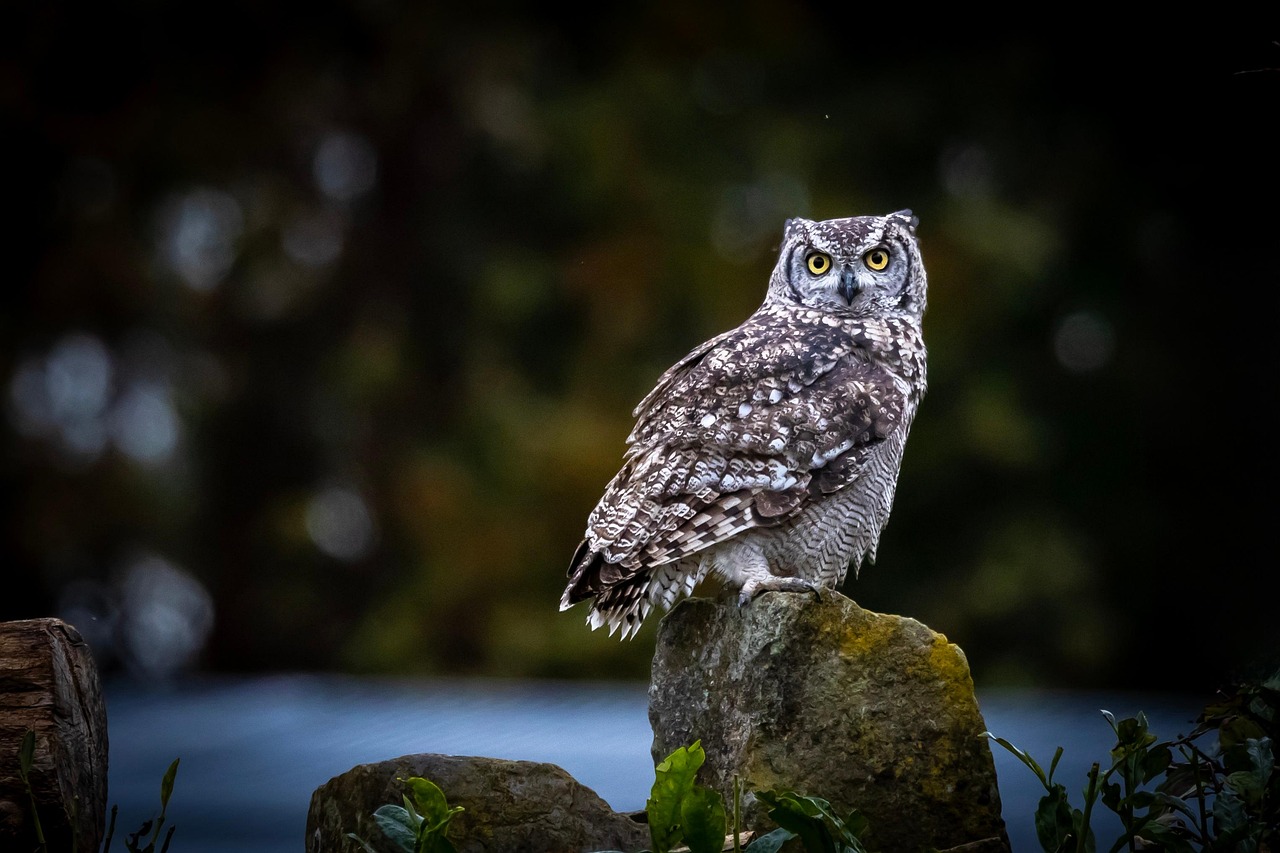
Birds, with their ability to fly and seemingly touch the heavens, have always held a special place in superstition. Take, for example, the owl, revered as wise and prescient in some places, and seen as an omen of death in others. The difference often lies in nocturnal versus diurnal characteristics of the bird in question, influencing whether they are deemed mysterious or menacing.
The crow and raven, tied deeply to battlefields and death in European mythology, are often seen as bad omens. However, many Native American tribes consider the raven as a creator and a trickster, indicating a more nuanced understanding of this complex bird.
Reptiles and Amphibians: Creepy or Lucky?
Snakes and frogs have also been central figures in superstitions. In many Asian cultures, the frog is a symbol of prosperity and fertility. Its role in agriculture as a consumer of pests gives it a beneficial connotation, enhancing its reputation as a bringer of good fortune.
On the other hand, snakes, with their lethal potential and often-hidden nature, frequently represent deception or evil in Western narratives. However, in Hindu mythology, snakes like Nāga are worshipped and considered sacred, portraying the protective and regenerative qualities of these creatures.
The Role of Domesticated Animals
Even our domesticated friends, the dog and horse, are not exempt from superstition. A howling dog is often said to foretell death, as its connection with the supernatural makes it sensitive to unseen forces. In contrast, seeing a white horse can be considered good luck, possibly linked to the historic value and desirability of white steeds in ancient battles.
FAQs About Animal Superstitions
-
Are animal superstitions based on any factual evidence?
- Animal superstitions are generally based more on cultural beliefs and historical observations rather than scientific evidence. They often originate from a time when humans had a closer, more animistic relationship with the natural world.
-
Can believing in animal superstitions impact animal welfare?
- Yes, unfortunately, some superstitions can lead to harm or conservation issues for certain animals. Education and awareness can help mitigate these effects by helping people understand animal behaviors and ecological roles.
-
How can I learn more about the origins of these superstitions?
- Many folklore texts, cultural anthologies, and even online platforms offer insights into the historical and cultural contexts of these superstitions.
Conclusion
“Unveiling the Mysteries: Animal Superstitions Explained” invites us to a fascinating intersection of zoology and mythology. While these beliefs can add a bit of magic or caution to our everyday lives, it’s important to approach them with a blend of curiosity and skepticism. Understanding the origins and evolution of these superstitions allows us to appreciate the richness of cultural traditions while fostering respect and kindness towards the animal kingdom. Whether or not you sidestep when a black cat crosses your path, knowing why such actions became part of folklore can deepen our connection to the past and to the natural world around us.